%2Ffit-in%2F250x250%2Fguide_websites%2F183832%2Fimages%2F1787883962388tmaddfishingguideservice2.png&w=1920&q=100)
Guadalupe and Spotted Bass Caught in Fort Worth
Bass Fishing in Fort Worth - What to Expect
%2F%2Fusers%2F1717c4c7-90a4-4f37-9c6e-825b71bb0eea%2Fimages%2Ffort-worth-bass-tournament-catch-2710.jpg&w=1920&q=75)
Guided Fishing Trip by Guide Tyler Madden in August
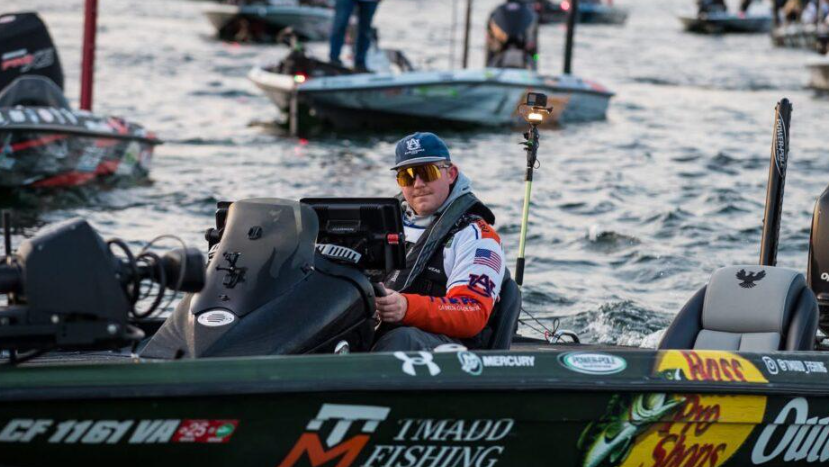
- Premier Fort Worth Bass Fishing Guide Service


Summary
This guided fishing trip in Fort Worth on Friday, August 28th showcased the excitement of catching both Guadalupe bass and spotted bass. The experience delivered authentic Texas bass fishing with skilled guidance and memorable catches that highlight what makes local waters productive.
Guided Fishing with Tyler Madden - Rates & Booking
Guide Tyler Madden of Tmadd Fishing Guide Service led this guided fishing trip on Friday, August 28th, delivering exactly what Fort Worth bass fishing should be. This outing brought together two experienced anglers targeting the local bass species that make these waters special. For booking a guided trip with Tyler, contact Tmadd Fishing Guide Service directly to reserve your date and discuss customized fishing packages tailored to your skill level and goals.
What makes working with a local guide worthwhile is the accumulated knowledge of where fish behave seasonally, which techniques produce results, and how to read the water conditions. Tyler's approach focuses on practical instruction and genuine fishing success rather than just putting time on the water.
Highlights of the Fort Worth Bass Fishing Experience
Catching both Guadalupe bass and spotted bass in a single outing demonstrates the diversity available in Fort Worth's fishery. The presence of two anglers who successfully connected with multiple species speaks to the productive conditions and the guide's ability to locate and present baits or lures effectively. These catches represent the kind of results that keep anglers returning to these waters.
The tournament context adds an extra layer of achievement to the day. Successfully landing quality specimens under competitive conditions requires not just technique but also composure and strategy - exactly what an experienced guide helps develop over the course of a trip.
Local Species Insights: Guadalupe Bass and Spotted Bass
Guadalupe bass are native Texas fish, found primarily in central and north-central Texas waters. They're aggressive hunters with distinctive vertical bars along their sides and typically thrive in clearer, cooler-running portions of lakes and rivers. Fort Worth's location makes it an ideal habitat for this species, which tends to inhabit structure like rocky areas, fallen timber, and ledges. They respond well to a variety of presentations including topwater lures, soft plastics, and live bait, making them excellent targets for both beginners and experienced anglers.
Spotted bass, another Texas favorite, share similar habitats with Guadalupe bass but have slightly different preferences. They feature a dark lateral stripe with spots below it, distinguishing them from their cousins. Spotted bass often inhabit slightly deeper zones during midday hours and become more active during lower light conditions. They're known for aggressive takes and solid fighting ability, making them rewarding catches. Both species coexist successfully in Fort Worth waters, offering anglers the chance to pursue multiple targets during a single outing.
Understanding the behavior patterns of both species helps guides like Tyler structure each fishing day. Morning hours typically bring increased activity as fish move into shallower feeding zones. Mid-morning to afternoon fishing often requires adjusting to deeper structure and more subtle presentations. Late afternoon frequently produces another strong bite window. Water temperature, clarity, and recent weather all influence daily patterns, which is exactly why local guide expertise matters.
The Fort Worth fishery supports healthy populations of both Guadalupe and spotted bass thanks to careful management and consistent habitat maintenance. The lakes and waterways around the city provide diverse structure - from deep main-lake channels to shallow creek arms - allowing different fishing strategies to succeed. Some days sight-casting to visible structure works best; other days exploring deeper zones with sonar proves most effective.
Having both species available in productive numbers creates dynamic fishing conditions. Anglers can vary their approach throughout the day, testing different depths, presentations, and locations. This variety keeps the experience engaging and educational, particularly for anyone looking to develop a broader understanding of Texas bass fishing fundamentals.
Fishing in Fort Worth: Guadalupe Bass and Spotted Bass

The Guadalupe Bass (Micropterus treculii) is a unique member of the Centrarchidae (sunfish) family within the order Perciformes, and it holds a special place in Texas outdoor heritage as the official state fish. Don't let the common name fool you—this isn't a true bass at all, but rather a small, scrappy sunfish with impressive character and charm. What makes the Guadalupe Bass instantly recognizable is its distinctive black lateral line that fades to olive as the fish matures, coupled with scattered diamond markings across its back and vibrant green coloring that extends lower on the body than its smallmouth and spotted bass cousins. Unlike many other fish species, the Guadalupe Bass cannot open its jaw beyond its eyes, a trait that defines its hunting style and feeding preferences. Perhaps most notably, this is a threatened game fish protected by the Texas Guadalupe Bass Restoration Initiative, making it a catch-and-release-only species that anglers cherish for conservation and sport alike.
Guadalupe Bass Overview
The Guadalupe Bass is a small but spirited sunfish that has captured the hearts of Texas anglers and conservationists for generations. Found exclusively in Texas rivers, this endemic species is known for its aggressive feeding behavior in swift water and its ecological importance to the Lone Star State's aquatic ecosystems. Despite its modest size—typically around 12 inches for adults—the Guadalupe Bass punches well above its weight in terms of fighting spirit and angler appeal. The species has become a symbol of Texas freshwater conservation, with dedicated restoration efforts ensuring that future generations can experience the thrill of hooking into one of these spirited little fighters. For visitors to Texas seeking authentic angling experiences, pursuit of the Guadalupe Bass represents not just a fishing opportunity, but a connection to the state's natural heritage.
Guadalupe Bass Habitat and Distribution
Guadalupe Bass thrive in flowing water environments, making rivers and small streams their preferred homes throughout Texas. These fish seek out covered areas with substantial structure: big heavy rocks, bald cypress trees, wooded areas, and submerged stumps all serve as prime holding zones. The species is native to waterways east and north of the Edwards Plateau, with populations concentrated in portions of the Guadalupe River, San Antonio River, Nueces River, the lower Colorado River (north of Austin), and the Brazos River. The Guadalupe River itself is particularly significant, as it provides ideal flowing-water habitat and represents the namesake of this distinctive species. In Texas, these rivers and streams create the perfect conditions for Guadalupe Bass populations, though ongoing conservation efforts remain critical to maintaining their presence in a rapidly changing landscape.
Guadalupe Bass Size and Weight
Adult Guadalupe Bass typically measure around 12 inches in length, with maximum sizes reaching up to 18 inches for exceptional specimens. These are small fish by bass standards, usually weighing close to 1 pound as adults, though the largest individuals may approach slightly higher weights. Despite their modest dimensions, Guadalupe Bass are incredibly aggressive and athletic, often making them pound-for-pound fighters that surprise anglers expecting a more sedate experience. The fish's small fins and compact, elongated, compressed body frame give it exceptional agility in swift currents, allowing it to dart and weave through complex habitat with remarkable speed. Lifespan typically reaches 7 years in the wild, giving this species a moderate longevity compared to larger bass species. The combination of small size and fierce temperament makes the Guadalupe Bass an engaging target for anglers using ultra-light tackle.
Guadalupe Bass Diet and Behavior
Guadalupe Bass are opportunistic carnivores with a diet consisting primarily of worms, crayfish, fatheads, golden shiners, gizzard shad, and insect larvae. These fish are active hunters that respond enthusiastically to moving bait and lures, particularly in swift water currents where they position themselves to intercept passing food. In slow-moving water, however, Guadalupe Bass become reluctant biters, preferring the higher-energy environment where swift currents deliver prey directly to their feeding stations. This preference for moving water shapes both their behavior and the tactical approach anglers must employ. The species exhibits aggressive territorial behavior, particularly males guarding spawning grounds, and they demonstrate remarkable responsiveness to dynamic presentations. Unlike many fish species that feed sporadically, the Guadalupe Bass is an active feeder during its prime periods, making timing and presentation critical success factors when pursuing this species in Texas rivers and streams.
Guadalupe Bass Spawning and Seasonal Activity
Guadalupe Bass spawning begins in March and continues through June, with male fish constructing gravel nests where reproduction occurs. What sets the Guadalupe Bass apart from many related species is its capacity for secondary spawning in late summer or fall, providing multiple reproductive opportunities throughout the year. Female fish lay between 400 and 10,000 eggs depending on their size, depositing them in nests prepared by attentive males. After spawning concludes, the male Guadalupe Bass assumes full responsibility for egg incubation and territorial defense, actively chasing females away from the nest and guarding the developing eggs throughout the entire incubation period. This paternal dedication ensures high survival rates and demonstrates the fierce protective instinct that characterizes male behavior during the spawning season. Understanding these seasonal patterns helps anglers time their efforts around peak activity periods and respect the species' vulnerable reproductive phases when catch-and-release practices become especially important.
Guadalupe Bass Techniques for Observation and Capture
Spinning and Baitcasting Methods: The most effective approach for Guadalupe Bass involves using ultra-light spinning rods or baitcasting equipment to present small artificial lures through swift water habitat. Plastic grubs, streamers, and small crankbaits all prove effective, as do underwater spinners and spoons. Topwater lures generate excellent results, particularly early and late in the day when fish actively feed in shallow areas. Cast near structure—large rocks, cypress trees, and submerged wood—allowing your lure to move quickly through the current. Still fishing with live bait also works, as does traditional pole fishing with small offerings. The key principle across all methods is movement: lures and bait moving quickly through the water column trigger aggressive strikes from Guadalupe Bass.
Fly Fishing Technique: Light fly fishing rods excel when pursuing Guadalupe Bass, with flies similar to those used for smallmouth bass proving most effective. Small deer-hair bugs, poppers, sliders, and terrestrial patterns all take fish. Topwater fly presentations generate exciting surface strikes, while subsurface streamers work deeper structure. Cast to cover and let the current work your fly, retrieving with quick strips to simulate fleeing prey.
Local Tip for Austin Area: Around Austin and the lower Colorado River north of the city, focus your efforts in early morning hours during March through October when Guadalupe Bass feed most actively in swift current breaks below small rapids and around submerged cypress roots. The Guadalupe River upstream from Austin also offers excellent opportunities with similar tactics and seasonal timing.
Guadalupe Bass Culinary and Utilization Notes
Guadalupe Bass are classified as a threatened species requiring catch-and-release fishing practices, which means culinary use is not an option—nor should it be. The conservation-only status reflects the ecological importance of maintaining this endemic Texas species. Instead, the true value of the Guadalupe Bass lies in its role as a symbol of successful fish restoration and sustainable angling practices. Anglers pursuing this species participate directly in conservation efforts by practicing careful catch-and-release techniques, respecting size and bag limits, and supporting the Texas Guadalupe Bass Restoration Initiative. The real reward is the experience: the explosive strike, the aggressive fight, and the knowledge that you've engaged with one of Texas's most unique and protected freshwater species. The catch itself is the culinary equivalent for Guadalupe Bass enthusiasts—a feast for the soul rather than the dinner table.
Guadalupe Bass Frequently Asked Questions
Q: What is the best bait or lure for catching Guadalupe Bass?
A: Guadalupe Bass respond best to moving baits and lures in swift water. Plastic grubs, small crankbaits, and topwater lures excel, as do live baits like small shiners, fatheads, and crayfish. The key is movement—retrieve quickly to trigger aggressive strikes. Underwater spinners and spoons also work well. Use an ultra-light spinning rod for best results and sensitivity.
Q: Where can I find Guadalupe Bass near Austin, Texas?
A: The lower Colorado River north of Austin holds healthy populations of Guadalupe Bass, particularly in areas with swift current breaks and rocky structure. The Guadalupe River upstream and downstream of the Austin area also provides excellent habitat. Focus on flowing sections near large rocks, cypress trees, and submerged wood, especially during spring and fall months.
Q: Why is Guadalupe Bass a catch-and-release-only species?
A: The Guadalupe Bass is a threatened endemic species found only in Texas rivers. Its population faces pressures from habitat loss and competition from non-native species. Catch-and-release restrictions protect breeding populations and ensure the species' survival. The Texas Guadalupe Bass Restoration Initiative works to restore populations and habitat throughout the species' native range.
Q: When is the best time to catch Guadalupe Bass?
A: Guadalupe Bass actively feed during their primary spawning season from March through June and again during secondary spawning in late summer and fall. Early morning and evening hours consistently produce best results. Focus on times when swift water currents are most active. Outside these prime periods, focus on feeding windows at dawn and dusk when fish move into shallower feeding zones.
Q: Can I use regular bass fishing techniques for Guadalupe Bass?
A: While some smallmouth and largemouth bass techniques apply, Guadalupe Bass fishing requires a specialized approach. Use ultra-light tackle instead of heavy equipment, focus exclusively on flowing water habitat, and emphasize faster lure retrieves and smaller presentations. Topwater fishing works particularly well. Fly fishing with light rods and small patterns also produces excellent results specific to this species.
Q: Is the Guadalupe Bass really Texas's state fish?
A: Yes, the Guadalupe Bass holds the official designation as the state fish of Texas. This recognition reflects both the species' ecological significance and its importance to Texas angling heritage. The designation emphasizes the state's commitment to protecting this endemic species through the Guadalupe Bass Restoration Initiative and strict conservation regulations requiring catch-and-release fishing only.
Spotted Bass Overview
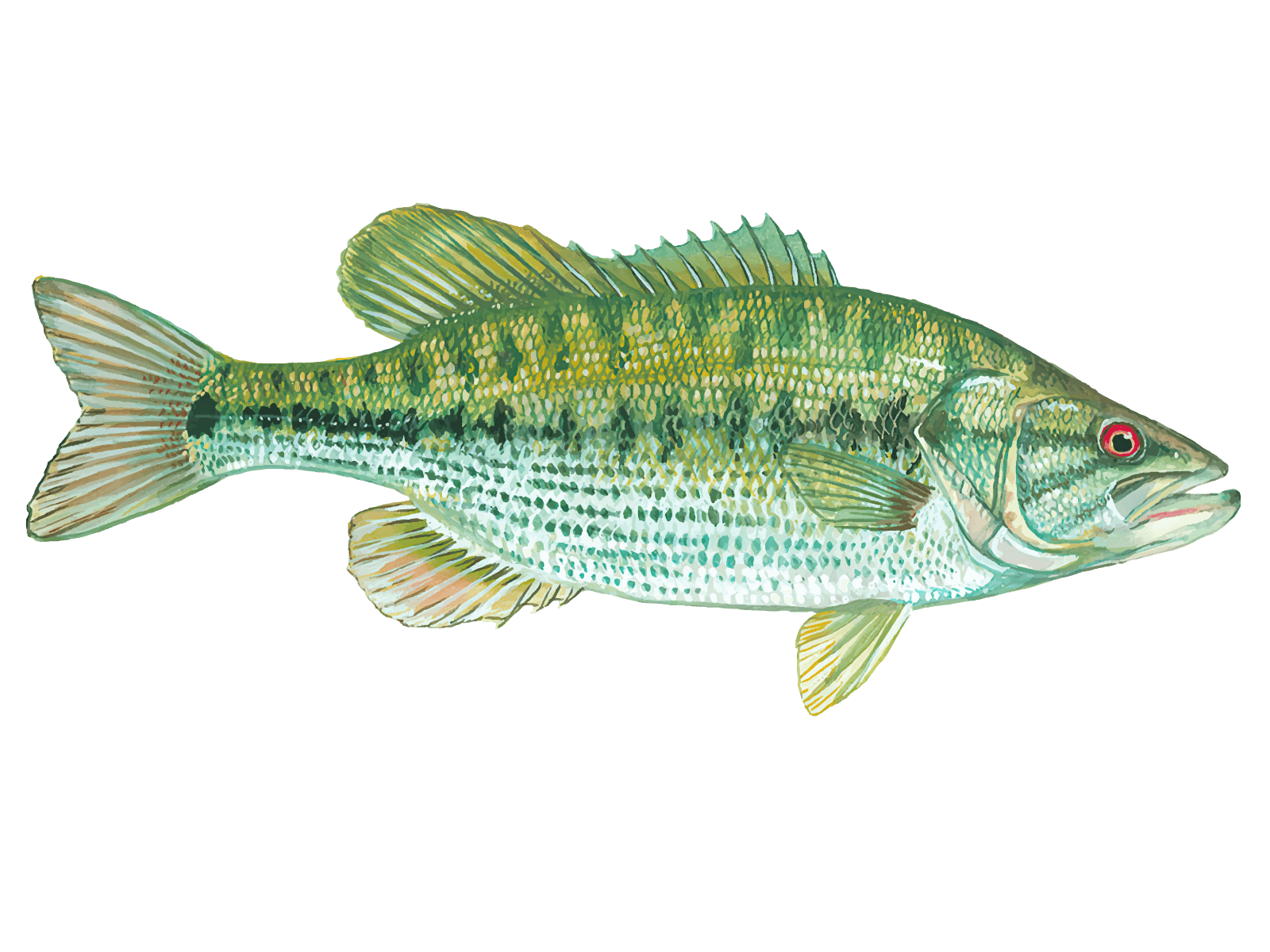
The Spotted Bass (Micropterus Punctulatus), belonging to the order Perciformes and family Centrarchidae, is one of North America's most exciting game fish for both seasoned anglers and newcomers alike. Often called the "Spotty" or "Kentucky Bass," this cylinder-shaped fighter is instantly recognizable by the characteristic dark spots arranged in neat rows along its lower body, gradually fading toward the white belly. With a body color ranging from light green to light brown, the Spotted Bass is frequently confused with its larger cousin, the Largemouth Bass, but several key distinguishing features set it apart. What makes this species particularly special is its tendency to school together—a behavior uncommon among other bass species—and its reputation as an exceptional fighter that dives deep rather than leaping, making every catch an adventure. Whether you're fishing in California's New Bullard's Bar Reservoir or exploring rivers throughout the Mississippi and Ohio basins, the Spotted Bass delivers a memorable angling experience.
Spotted Bass Habitat and Distribution
Spotted Bass thrive in slow-moving, clear waters with rock or gravel bottoms, making streams and rivers their preferred environments. Unlike many other bass species, they rarely venture into natural lakes and cannot tolerate brackish water or low oxygen saturation in very cold water. Their geographic range spans the lower and central Mississippi River Basin and the Ohio basin, extending from Florida to Texas, with populations found from the Guadalupe River to the Red River in East Texas. These bass gravitate toward structures—rocks, logs, and submerged features—rather than dense cover, so successful anglers should focus their efforts on rocky outcrops and structural elements throughout their range. The species' preference for cool, clear water with good oxygen content makes them perfect inhabitants of flowing river systems where they can find both food and ideal living conditions.
Spotted Bass Size and Weight
Spotted Bass typically range from 20 to 25 inches in length, with weights varying from 1 to 11 pounds depending on age and environmental factors. While average catches usually fall in the 2-5 pound range, trophy-sized individuals are absolutely within reach for dedicated anglers. The current world record, an impressive 11 pounds and 4 ounces measuring 24.25 inches long, was caught by Nick Dulleck at New Bullard's Bar Reservoir in California, demonstrating that truly exceptional specimens exist in select waters. Younger fish tend to be smaller and lighter, but what they lack in size they make up for in fighting spirit and aggressive behavior, making them perfect targets for anglers of all skill levels.
Spotted Bass Diet and Behavior
Young Spotted Bass typically feed on insects and zooplankton during their early life stages, but as they mature, their diet transitions to a more carnivorous preference centered on crayfish and small fish. These aggressive feeders also consume catfish, minnows, and various aquatic insects, making them opportunistic hunters that will strike at almost any offering that resembles their natural prey. One of the most distinctive behavioral traits of Spotted Bass is their tendency to school together, unlike the more solitary Largemouth Bass. This schooling behavior creates exciting opportunities for anglers who locate one fish, as several more may be nearby. When hooked, Spotted Bass behave more like their Smallmouth cousins, diving deep and fighting hard rather than jumping to the surface like Largemouths. Male Spotted Bass display remarkable parental dedication, guarding eggs for approximately four weeks and continuing to protect fry even after hatching—a fascinating glimpse into their breeding biology.
Spotted Bass Spawning or Seasonal Activity
Spotted Bass reach sexual maturity in their first year, making them prolific reproducers capable of establishing populations relatively quickly. Spawning occurs in spring when water temperatures range from 57 to 74 degrees Fahrenheit, with males and females preferring rock and gravel bottoms for nest construction. After females lay their eggs, males take over parental duties with remarkable dedication, guarding the eggs for approximately four weeks and continuing protective behavior toward the fry after they hatch. This intense parental care is a defining characteristic of the species and contributes to their success in river systems with suitable spawning habitat. Understanding these seasonal movements and spawning preferences can significantly improve an angler's success rates throughout the year.
Spotted Bass Techniques for Observation or Capture
Bait Casting and Spin Casting: The most popular approach for targeting Spotted Bass involves using a light-to-medium spinning rod paired with 6-pound fluorocarbon line. Cast toward rocky structures, submerged logs, and current breaks where these bass love to hide. Effective lures include crankbaits, jerk baits, soft plastic bags, and topwater offerings—essentially anything that would work for Largemouth Bass, given the Spotted Bass's aggressive nature. Early morning and late afternoon sessions produce excellent results, particularly when using topwater lures that create surface disturbance and attract strikes. Around New Bullard's Bar Reservoir in California and similar rocky reservoir systems, focus on steep drop-offs and structure-laden banks where Spotted Bass school together.
Fly Fishing: For fly enthusiasts, Spotted Bass presents an exciting challenge and consistent opportunity. Poppers, streamers, Clouser minnows, and other traditional fly patterns work exceptionally well, and the species' aggressive behavior means it will strike at most presentations with enthusiasm. Fly fishing for Spotted Bass is particularly rewarding because the fish puts up a tough fight, diving deep and making hard runs that test tackle and technique. Wade the shallow structure or fish from a boat in deeper water, varying your retrieves to trigger aggressive feeding responses.
Still Fishing and Drift Fishing: Patience and observation are key for still fishing or drift fishing applications. Position your boat or wade near rocky outcrops and structural elements, then allow live bait or soft plastics to work the productive zones. Drift fishing along current breaks in rivers allows you to cover water methodically and locate schooling fish. These passive techniques work particularly well during peak feeding times and when fish are actively pursuing their preferred prey of crayfish and small minnows.
Spotted Bass Culinary or Utilization Notes
Spotted Bass offers good eating opportunities with white, flaky meat that is mild and palatable when properly prepared. Many anglers consider them excellent table fare, comparable in quality to Largemouth Bass and other freshwater game fish. The meat has good odds for both quality and food value, making catch-and-release versus keep-for-dinner decisions a matter of personal preference and local regulations. Always check regional fishing regulations regarding size and bag limits before planning to keep your catch. When preparing Spotted Bass for the table, filleting and pan-frying with simple seasonings brings out the delicate flavor of the meat. Some anglers practice catch-and-release purely for the sport and conservation, allowing these excellent fighters to be caught and fought again another day.
Spotted Bass Frequently Asked Questions
Q: What is the best bait or lure for catching Spotted Bass?
A: Spotted Bass are aggressive feeders that will strike at most offerings designed for Largemouth Bass. Live crayfish and minnows work excellently, as do crankbaits, jerk baits, soft plastics, and topwater lures. Light-to-medium spinning rods with 6-pound fluorocarbon line offer the best balance of sensitivity and strength. Topwater presentations during early morning and late afternoon produce particularly exciting strikes.
Q: Where can I find Spotted Bass near major fishing destinations?
A: Spotted Bass are distributed throughout the Mississippi and Ohio River basins, ranging from Florida to Texas and into East Texas. New Bullard's Bar Reservoir in California holds the world record specimen. Look for them in streams and rivers with clear water, rock or gravel bottoms, and abundant structure. They prefer slow-moving sections with rocky outcrops rather than dense cover.
Q: How do I distinguish a Spotted Bass from a Largemouth Bass?
A: The most reliable distinction is the dorsal fin: Spotted Bass have a connected dorsal fin, while Largemouths have a separate one. Additional differences include the Spotted Bass's jaw not extending past the eye (Largemouth's does), much smaller cheek scales on Spotted Bass, and distinctive dark spots in rows on the Spotted Bass's belly (Largemouths have plain white bellies). Spotted Bass are also generally smaller than Largemouths.
Q: When is the best time to catch Spotted Bass?
A: Early morning and late afternoon produce the most exciting topwater action, though Spotted Bass feed throughout the day. Spring spawning season (water temps 57-74°F) can be productive, but always follow local fishing regulations. Year-round fishing is possible in suitable waters, with consistent catches available when you target rocky structures and schooling areas.
Q: Why do Spotted Bass fight differently than Largemouth Bass?
A: Spotted Bass dive deep and fight like Smallmouth Bass when hooked, rather than jumping to the surface like Largemouths. This aggressive diving behavior makes them exceptional fighters that test anglers' skills and tackle, which is why experienced anglers consider them such exciting quarry. The hard-fighting nature of this species—even smaller specimens—makes every catch memorable.
Q: Are Spotted Bass good to eat?
A: Yes, Spotted Bass have excellent culinary qualities with good odds for food value. The white, flaky meat is mild and palatable when properly prepared. Many anglers consider them equal to or better than Largemouth Bass for table fare. Pan-frying fillets with simple seasonings brings out the delicate flavor. Always check local regulations for size and bag limits before planning to keep your catch.