%2Ffit-in%2F250x250%2Fguide_websites%2F183832%2Fimages%2F1787883962388tmaddfishingguideservice2.png&w=1920&q=100)
/users/1717c4c7-90a4-4f37-9c6e-825b71bb0eea/ratecard/625376732_17859383235597754_5705234129006507596_n-mtcas6wq.jpg)
%2F300x300%2Fusers%2F1717c4c7-90a4-4f37-9c6e-825b71bb0eea%2Fratecard%2F625376732_17859383235597754_5705234129006507596_n-mtcas6wq.jpg&w=256&q=75)
%2F300x300%2Fusers%2F1717c4c7-90a4-4f37-9c6e-825b71bb0eea%2Fimages%2Flake-athens-bass-fishing3-mtcbbnrx.jpg&w=256&q=75)
%2F300x300%2Fusers%2F1717c4c7-90a4-4f37-9c6e-825b71bb0eea%2Fimages%2Ffort-worth-bass-fishing-tournament-2590.jpg&w=256&q=75)
%2F300x300%2Fusers%2F1717c4c7-90a4-4f37-9c6e-825b71bb0eea%2Fimages%2Ffort-worth-bass-fishing-catch-2722.jpg&w=256&q=75)
%2F300x300%2Fusers%2F1717c4c7-90a4-4f37-9c6e-825b71bb0eea%2Fimages%2Ffort-worth-bass-catch-2710.jpg&w=256&q=75)
%2F300x300%2Fusers%2F1717c4c7-90a4-4f37-9c6e-825b71bb0eea%2Fimages%2Ffort-worth-bass-fishing-success-2758.jpg&w=256&q=75)
%2F300x300%2Fusers%2F1717c4c7-90a4-4f37-9c6e-825b71bb0eea%2Fimages%2Ffort-worth-bass-fishing-success-2441.jpg&w=256&q=75)
%2F300x300%2Fusers%2F1717c4c7-90a4-4f37-9c6e-825b71bb0eea%2Fimages%2Ffort-worth-bass-fishing-catch-2713.jpg&w=256&q=75)
%2F300x300%2Fusers%2F1717c4c7-90a4-4f37-9c6e-825b71bb0eea%2Fimages%2Ffort-worth-bass-fishing-catch-2781.jpg&w=256&q=75)
%2F300x300%2Fusers%2F1717c4c7-90a4-4f37-9c6e-825b71bb0eea%2Fimages%2Ffort-worth-bass-fishing-catch-2769.jpg&w=256&q=75)
%2F300x300%2Fusers%2F1717c4c7-90a4-4f37-9c6e-825b71bb0eea%2Fimages%2Ffort-worth-smallmouth-bass-tournament-2571.jpg&w=256&q=75)
Master Your Boat Electronics - DFW Metroplex
What you will be catching:
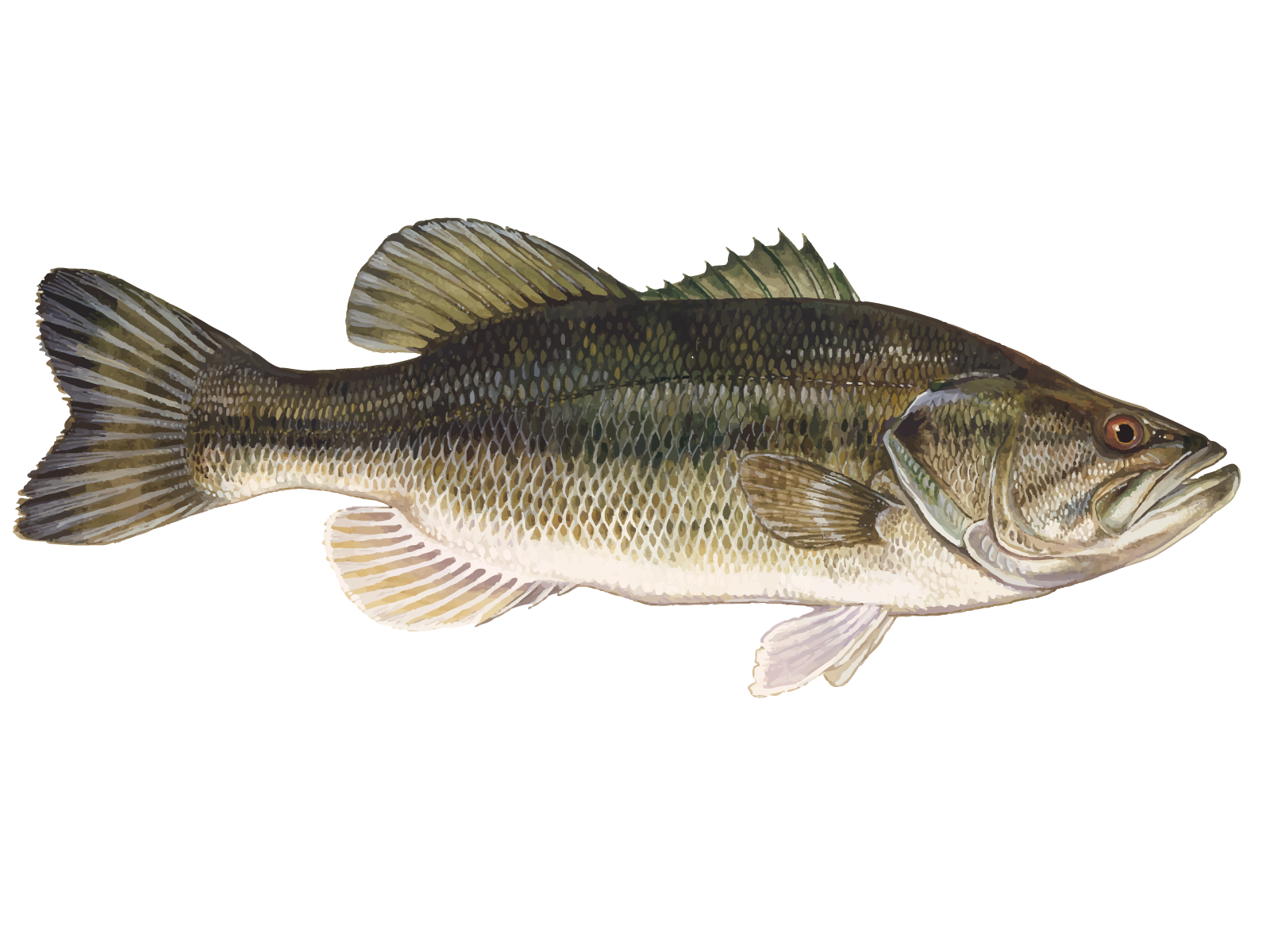 Largemouth Bass
- Master boat electronics and forward-facing sonar systems
- Learn baitfish identification and precise target tracking
- Receive personalized instruction at DFW metroplex locations
Trip Pricing and Availabilities:
Master Your Boat Electronics - DFW Metroplex
Let's be real – you've probably got thousands of dollars worth of electronics on your boat, but are you actually getting the most out of them? Captain Tyler with Tmadd Fishing Guide Service offers something most guides don't: a hands-on electronics tutorial right on your home waters in the DFW metroplex. This isn't about fishing all day and hoping to learn something along the way. This is a focused, top-rated session dedicated entirely to turning you into a sonar wizard. Whether you're prepping for tournament season or just tired of driving over fish without knowing they're there, this customer favorite will change how you approach every fishing trip.
What to Expect on the Water
Captain Tyler meets you at your preferred lake anywhere within the DFW metroplex – whether that's Eagle Mountain, Grapevine, Lewisville, or your secret honey hole. He brings years of experience reading graphs and forward-facing sonar to physically adjust your specific setup. No two units are identical, and factory settings rarely work best for our Texas waters. You'll spend the entire session with Tyler's hands on your controls, walking through menu after menu to optimize gain, sensitivity, color palettes, and ping speeds for maximum clarity. This world-class instruction covers everything from basic 2D sonar interpretation to advanced LiveScope techniques that tournament pros use to track individual bass in real time. By the end, you'll know exactly what those blips, arches, and shadows mean – no more guessing games.
Sonar Setup & Screen Reading
Tyler starts by dialing in your transducer angles and power settings based on your boat's specific hull design and typical fishing depths around DFW lakes. Forward-facing sonar requires precise positioning – even a degree or two off can mean the difference between clear fish targets and fuzzy blobs. You'll learn to identify baitfish schools, distinguish between suspended bass and bottom clutter, and recognize structure signatures that hold fish. The session covers split-screen configurations, zoom settings, and color adjustments that make targets pop off the screen in our often-stained Texas lake water. Tyler teaches the subtle art of gain control – too little and you miss fish, too much and your screen becomes white noise. He'll show you how water temperature, thermoclines, and seasonal patterns affect sonar performance, giving you the confidence to adjust settings on the fly during changing conditions throughout the fishing season.
Largemouth Bass Breakdown
DFW metroplex lakes are legendary for their largemouth bass populations, and understanding their behavior is key to making your electronics work harder for you. These bass typically range from 1-3 pounds with plenty of 4-6 pounders mixed in, plus the occasional double-digit giant that makes headlines. Spring brings the spawn when bass move shallow and become more aggressive, making them easier targets on your sonar as they relate to specific cover and structure. Summer finds them suspending in deeper water around main lake points and creek channels – exactly where quality electronics shine in locating scattered fish. Fall feeding periods create some of the year's best action as bass chase shad schools, and your forward-facing sonar becomes invaluable for tracking these moving targets in real time. Winter bass often hold tight to specific pieces of structure in 20-35 feet of water, appearing as subtle marks that untrained eyes might dismiss as debris. Learning to spot these cold-water bass on your screen can lead to some of the most rewarding catches of the year, when other anglers struggle to locate fish in the tougher conditions.
Time to Book Your Electronics Session
Stop driving over fish and start catching them with confidence. This renowned electronics tutorial with Captain Tyler transforms your expensive sonar from a pretty screen into a fish-finding machine that actually puts bass in your livewell. Whether you're a weekend warrior wanting better results or a tournament angler looking for that competitive edge, mastering your boat's electronics is the best investment you can make in your fishing success. The DFW metroplex offers world-class bass fishing, and now you'll have the skills to locate them consistently. Book your session with Tmadd Fishing Guide Service and discover what your electronics have been trying to tell you all along – there are more fish down there than you ever imagined, and Tyler will teach you exactly how to find them.
Learn more about the species
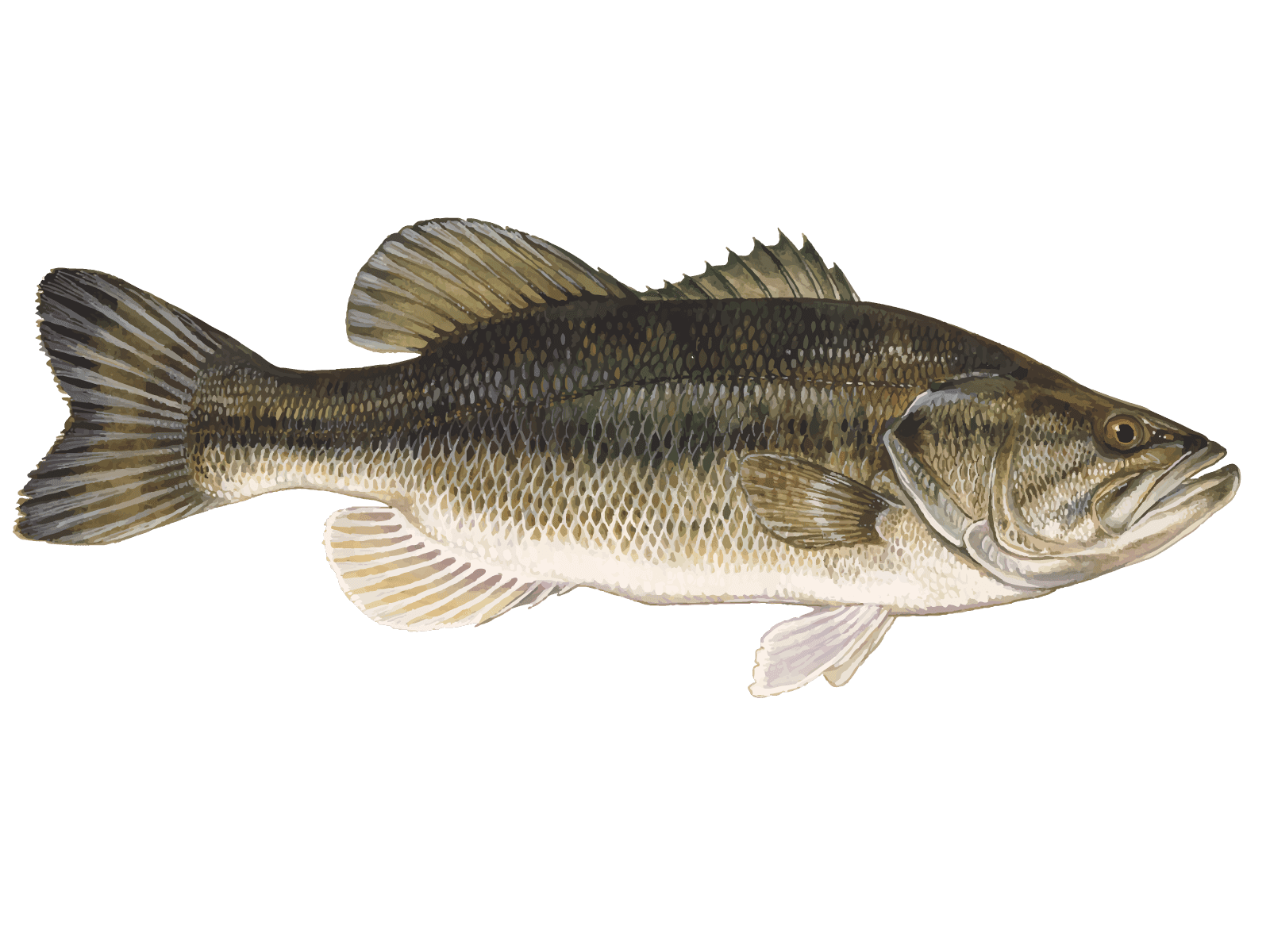
Largemouth Bass
Largemouth bass are the bread and butter of DFW fishing - these green fighters average 12-24 inches and put up a solid scrap when hooked. They love hanging around structure like fallen trees, rock piles, and weed lines in 3-15 feet of water. Spring and fall are prime time when they're actively feeding, but summer early mornings can be hot too. What makes them fun is that big mouth - they'll crush just about anything you throw at them, from topwater plugs to Texas-rigged worms. The fight is honest and they taste great on the table when caught from clean water. Here's a local trick: in our murky DFW lakes, throw something with flash or vibration. A spinnerbait worked along those submerged creek channels will call them up from deep water, especially when your electronics show baitfish schools suspended over structure.
About the Tmadd Phoenix
%2F%2Fusers%2F1717c4c7-90a4-4f37-9c6e-825b71bb0eea%2Fvehicle_picture%2Ftmmadfishingheaders960x640_v51-mtc89mh3.jpg&w=1920&q=75)
Vehicle Guest Capacity: 3
Manufacturer Name: Mercury
Maximum Cruising Speed: 61
Number of Engines: 1
Horsepower per Engine: 250